Integrated artificial intelligence (AI) applications are embedded within broader systems or workflows, enhancing functionality and automating complex tasks across various platforms. These applications often work in tandem with existing software, infrastructure, or processes, providing intelligent insights, decision-making capabilities, and automation.
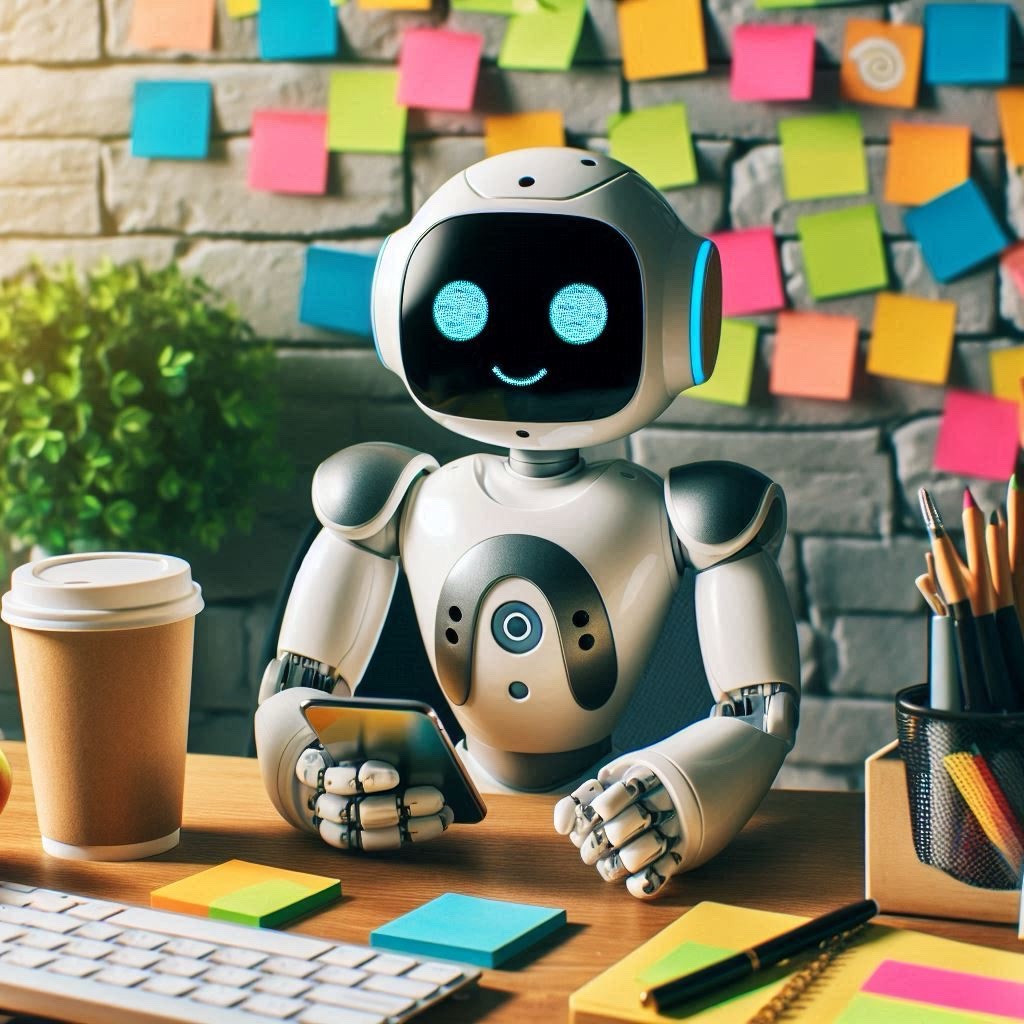
Here are some examples of integrated AI applications:
1. AI in Customer Relationship Management (CRM)
- Examples: Salesforce Einstein, Microsoft Dynamics 365, Zoho CRM
- Functionality: AI is integrated into CRM platforms to help businesses understand customer behaviors, predict sales outcomes, automate tasks like email responses or lead scoring, and recommend next actions for sales teams. AI can analyze past interactions and data to improve customer engagement and provide personalized service.
2. AI in Enterprise Resource Planning (ERP)
- Examples: SAP AI, Oracle AI Cloud, NetSuite
- Functionality: AI is embedded into ERP systems to automate and optimize various business processes, such as supply chain management, financial forecasting, and inventory control. AI helps in predictive maintenance, demand planning, and fraud detection by analyzing historical and real-time data.
3. AI in Marketing Automation
- Examples: HubSpot, Adobe Experience Cloud, Marketo
- Functionality: Integrated AI enhances marketing platforms by automating campaign management, personalizing marketing messages, and optimizing ad spend. AI analyzes customer behavior, predicts trends, and recommends the most effective marketing strategies, improving conversion rates and return on investment (ROI).
4. AI in Supply Chain and Logistics
- Examples: IBM Watson Supply Chain, SAP Integrated Business Planning, Oracle Supply Chain Management
- Functionality: AI is integrated into supply chain management platforms to optimize inventory levels, predict demand, and automate logistics planning. By analyzing data from multiple sources, AI can forecast supply and demand fluctuations, reduce costs, and improve efficiency in manufacturing and distribution.
5. AI in Healthcare Systems
- Examples: Epic Systems with AI, IBM Watson Health, Cerner
- Functionality: AI is integrated into electronic health records (EHR) systems, medical imaging platforms, and diagnostic tools to assist healthcare professionals in diagnosing diseases, predicting patient outcomes, and recommending treatment plans. AI analyzes patient data, medical history, and genetic information to provide personalized healthcare recommendations.
6. AI in Financial Services
- Examples: IBM Watson for Financial Services, BlackRock Aladdin, Finastra
- Functionality: AI is embedded in financial systems to analyze market trends, manage risk, detect fraud, and automate financial advising. AI can assess credit risk, make investment predictions, automate compliance processes, and provide personalized banking services through chatbots and virtual assistants.
7. AI in Human Resources (HR)
- Examples: Workday, SAP SuccessFactors, Oracle HCM Cloud
- Functionality: AI is integrated into HR systems to streamline recruitment, employee performance management, and talent acquisition. AI-powered HR tools analyze resumes, predict candidate fit, manage employee workflows, and automate repetitive HR tasks like scheduling interviews or tracking employee engagement.
8. AI in Business Intelligence (BI)
- Examples: Microsoft Power BI, Tableau with AI, Qlik Sense
- Functionality: AI is integrated into BI platforms to enhance data analysis, reporting, and visualization. AI-driven analytics help users uncover patterns, forecast trends, and make data-driven decisions. Machine learning algorithms sift through large datasets to provide predictive analytics and automated insights that are useful for decision-makers.
9. AI in Cybersecurity
- Examples: Darktrace, IBM QRadar, Palo Alto Networks Cortex XSOAR
- Functionality: AI is integrated into cybersecurity systems to detect anomalies, prevent cyberattacks, and respond to threats in real-time. AI algorithms analyze network traffic, identify unusual behavior, and respond to potential security breaches more efficiently than traditional methods. AI can also automate the management of security alerts and optimize threat response strategies.
10. AI in Smart Home Systems
- Examples: Google Nest, Amazon Alexa, Samsung SmartThings
- Functionality: AI is embedded in smart home ecosystems to automate and optimize home functions such as temperature control, lighting, security, and appliance management. AI-powered assistants like Alexa and Google Assistant interact with these systems to enable voice commands, automate routines, and learn from user behavior to personalize home settings.
11. AI in E-commerce Platforms
- Examples: Shopify with AI, Magento, BigCommerce
- Functionality: Integrated AI in e-commerce platforms helps optimize product recommendations, personalize user experiences, and automate customer support. AI-driven algorithms analyze customer behavior to suggest products, create personalized offers, and optimize pricing strategies. Chatbots and virtual assistants handle common customer service tasks, reducing manual intervention.
12. AI in Manufacturing (Industry 4.0)
- Examples: Siemens MindSphere, GE Predix, PTC ThingWorx
- Functionality: AI is integrated into manufacturing processes to enable predictive maintenance, automate quality control, and optimize production schedules. AI systems analyze sensor data from machinery to predict equipment failures before they occur, reducing downtime and improving operational efficiency. AI also helps in automating robotic systems and optimizing the supply chain.
13. AI in Document and Workflow Automation
- Examples: UiPath, Automation Anywhere, Blue Prism
- Functionality: AI integrated into robotic process automation (RPA) platforms helps automate routine tasks such as data entry, document processing, and workflow management. AI can read and interpret documents, extract relevant information, and automate business processes, leading to increased efficiency and reduced manual labor.
14. AI in Educational Platforms
- Examples: Blackboard with AI, Coursera, edX
- Functionality: AI is embedded into learning management systems (LMS) and online education platforms to personalize learning experiences, provide real-time feedback, and automate administrative tasks. AI-driven platforms adapt course content based on individual student performance, enabling personalized learning paths and enhancing student engagement.
15. AI in Legal Technology
- Examples: Kira Systems, Ross Intelligence, Luminance
- Functionality: AI is integrated into legal research and document review platforms to automate the analysis of contracts, legal documents, and case law. AI can help lawyers quickly find relevant case precedents, identify key clauses in contracts, and perform due diligence, reducing the time spent on manual research and document review.
16. AI in Energy Management
- Examples: Schneider Electric EcoStruxure, Siemens Energy Management, GE Digital
- Functionality: AI integrated into energy management systems optimizes energy consumption, predicts equipment maintenance needs, and automates grid management. AI analyzes data from energy systems to reduce energy waste, enhance grid reliability, and improve the efficiency of renewable energy sources like solar or wind power.
17. AI in Retail Operations
- Examples: IBM Watson Retail, Oracle Retail, Microsoft Dynamics for Retail
- Functionality: AI is embedded in retail management systems to automate inventory management, optimize pricing strategies, and enhance customer engagement. AI analyzes sales data and customer behavior to predict demand, recommend stock replenishments, and personalize in-store or online experiences.
18. AI in Transportation and Fleet Management
- Examples: Samsara, Geotab, Verizon Connect
- Functionality: AI is integrated into transportation and fleet management systems to optimize route planning, monitor vehicle performance, and predict maintenance needs. AI-powered systems analyze traffic patterns, driver behavior, and vehicle data to improve fuel efficiency, reduce costs, and ensure timely deliveries.
19. AI in Media and Entertainment
- Examples: Netflix with AI, Spotify, Adobe Premiere Pro with AI
- Functionality: AI is embedded in media platforms to recommend personalized content, optimize video streaming quality, and automate media production workflows. AI-driven algorithms analyze user preferences to suggest movies, shows, or music and assist in content editing by automating tasks like scene recognition or sound mixing.
20. AI in Real Estate
- Examples: Zillow with AI, Redfin, Compass AI
- Functionality: AI is integrated into real estate platforms to provide property recommendations, predict property values, and automate the home buying process. AI can analyze market trends, assess homebuyer preferences, and generate personalized home listings, streamlining the real estate process for both buyers and agents.
Conclusion
Integrated AI applications enhance existing systems across multiple industries by improving decision-making, automating tasks, and optimizing workflows. These AI solutions work in conjunction with traditional software platforms to deliver smarter, more efficient, and personalized experiences for businesses and consumers alike.
 The Artificial Intelligence News Source
Leave a comment