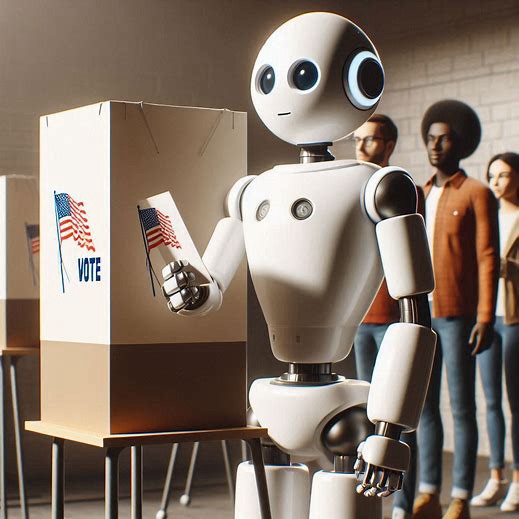
AI is increasingly impacting elections in the United States in several ways, both positively and negatively. Here are some of the key areas of influence:
1. Campaign Targeting and Voter Outreach
AI is being used by political campaigns to analyze large amounts of voter data, such as social media activity, past voting behavior, and demographics, to target voters more effectively. Campaigns can personalize messages, predict voter turnout, and focus resources on swing voters through sophisticated machine learning models. This micro-targeting allows candidates to craft more specific messages for different segments of the population.
2. Social Media and Misinformation
AI-driven algorithms on social media platforms play a major role in amplifying content, including political ads and news. While this allows for broad reach, it also opens the door to disinformation campaigns. AI can be used to spread false information or deepfakes—doctored videos or images that can mislead the public. This has raised concerns about the role of AI in fueling polarization and spreading propaganda during election cycles.
3. Deepfakes and Disinformation
The rise of AI-generated deepfakes is a significant concern for elections. Deepfakes can create realistic but fake videos or audio clips of candidates, which could be used to undermine trust in elections or to manipulate voter perceptions. As these technologies become more sophisticated, it becomes harder for the average person to discern what is real from what is fabricated.
4. Election Security and Cybersecurity
AI is also playing a role in improving election security. Machine learning algorithms can detect irregularities in voting patterns, identify potential cyber threats to election infrastructure, and flag disinformation campaigns more efficiently. AI systems are being used to protect voter databases, monitor social media for malicious activity, and secure online voting systems, though concerns about hacking and digital manipulation remain.
5. Predictive Analytics
Political analysts use AI to model and predict election outcomes based on polling data, voter turnout models, and historical trends. This helps campaigns allocate resources strategically. However, reliance on AI-based models, as seen in 2016 and 2020, can sometimes result in unexpected outcomes if the data is flawed or voter behavior shifts in ways the models don’t anticipate.
6. Voter Influence and Manipulation
AI tools can influence public opinion by shaping the information that voters see, particularly through recommendation algorithms on platforms like Facebook, YouTube, and Twitter (now X). These algorithms often prioritize content that is sensational or emotionally charged, which can distort political discourse and influence voter preferences in subtle ways.
7. Automated Campaigns and Bots
AI-driven bots are often used to disseminate information or misinformation on a large scale. Automated accounts can amplify political content, boost engagement with particular issues, or even create the appearance of widespread support for a candidate or cause. This manipulation can skew public perception of a candidate’s popularity or key issues.
8. Ethical Concerns
The use of AI in elections raises significant ethical questions about transparency, fairness, and manipulation. While AI offers tools for improving voter engagement and election integrity, it also poses risks to democracy if used improperly. Efforts to regulate AI’s role in elections are ongoing but face challenges due to the rapid pace of technological advancement.
In summary, while AI has the potential to enhance voter outreach and secure elections, it also introduces serious risks in terms of disinformation, manipulation, and privacy concerns. The balance between these benefits and risks will likely shape future electoral processes.
 The Artificial Intelligence News Source
Leave a comment