I saw reported an article yesterday that artificial intelligence is now being used to uncover ancient glyph hidden beneath the forest canopy.
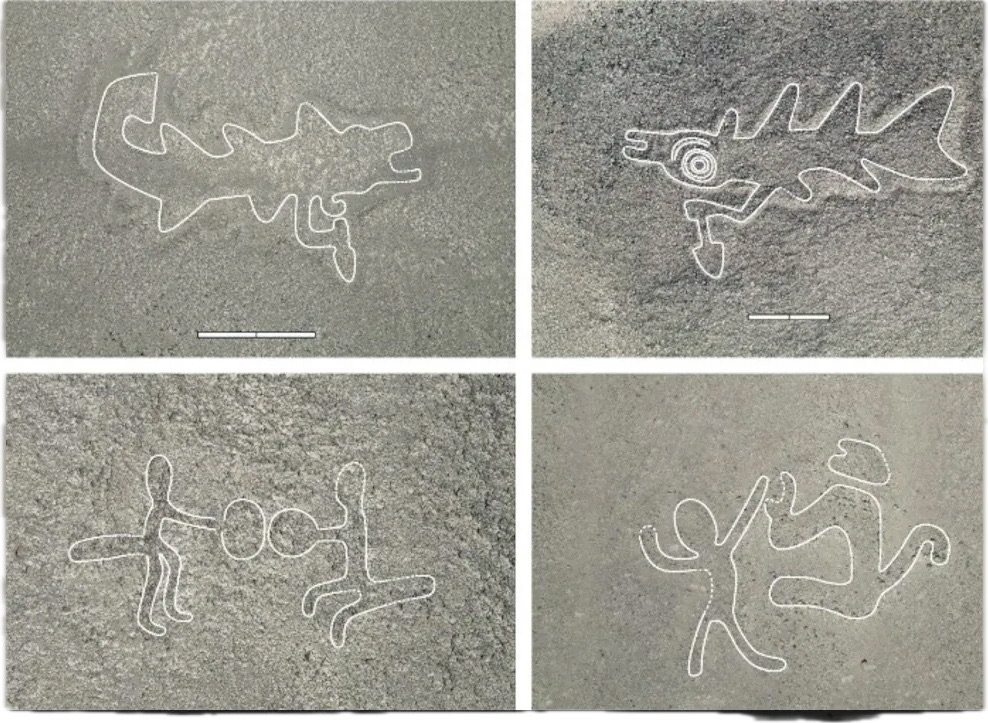
AI is playing a transformative role in uncovering hidden Indian glyphs (petroglyphs) and other archaeological features in the Amazon, a region that has long been challenging for traditional archaeological methods due to its dense forest cover and remote location. Here’s how AI is being used to discover and study these ancient glyphs:
1. AI for Processing Remote Sensing Data (LiDAR)
One of the primary technologies used to discover hidden archaeological sites in the Amazon is LiDAR (Light Detection and Ranging), which is an airborne laser-scanning technique. LiDAR can “see through” the forest canopy by bouncing laser pulses off the ground to create detailed 3D maps of the terrain beneath the vegetation.

- How AI Helps: AI, particularly in the form of machine learning algorithms, is being used to process the massive amounts of LiDAR data efficiently. Traditional methods of analyzing this data can be slow and labor-intensive. AI can quickly sift through LiDAR scans, identifying patterns that might indicate human-made structures, such as geometric shapes or patterns that resemble glyphs, roads, or settlement layouts.
- Deep Learning for Feature Detection: AI models trained on known archaeological features (e.g., earthworks, mounds, terraces) can detect similar features hidden in unexplored parts of the Amazon. These algorithms can differentiate natural terrain from human-made features based on geometric regularities and patterns that might be invisible to the naked eye.
2. Pattern Recognition in Satellite Imagery
AI is also being used to analyze high-resolution satellite imagery of the Amazon, where glyphs, geoglyphs (large geometric formations), and other archaeological evidence can be hidden under layers of soil or vegetation.
- How AI Helps: Convolutional Neural Networks (CNNs), a type of deep learning model commonly used in image recognition, are trained to recognize patterns that may indicate the presence of ancient human activity. AI systems can scan satellite images for subtle signs of landscape modification, such as soil disturbances, which might reveal the presence of buried structures or artwork.
- Automated Detection: By automating the detection of such features, AI allows researchers to cover large swaths of territory in a fraction of the time it would take with manual analysis.
3. AI-Assisted Archaeological Surveys
Once potential sites have been identified using LiDAR or satellite data, AI tools are used to assist in the ground-based surveys and excavations.
- AI in Drone Mapping: Drones equipped with AI-powered cameras are used to map areas of interest. These drones can fly over difficult terrain and use AI to process images in real-time, guiding archaeologists to specific locations where glyphs or other artifacts might be found.
- Ground-Penetrating Radar (GPR) and AI: Ground-penetrating radar, combined with AI algorithms, can help archaeologists detect subsurface structures or glyphs buried under the forest floor. AI can enhance the radar’s ability to identify and classify anomalies that might signify human-made features, such as underground chambers or geometric formations.
4. Uncovering Cultural and Ecological Connections
In addition to locating the glyphs, AI is also being used to understand the broader ecological and cultural landscape in which these glyphs were created.
- Ecosystem Analysis: By integrating ecological data with archaeological findings, AI helps researchers understand how ancient peoples might have interacted with and modified their environment. For example, AI models can analyze how the locations of glyphs or settlements correlate with ancient agricultural systems or water management practices in the Amazon.
- Understanding Glyph Patterns: AI is also used to analyze the glyphs themselves, looking for recurring symbols, patterns, or alignments that might provide insights into the culture, religion, or daily life of the ancient people who created them.
5. Preservation and Documentation
Once hidden glyphs are uncovered, AI helps in their digital preservation.
- 3D Modeling: AI and computer vision techniques are used to create detailed 3D models of the discovered glyphs. This not only preserves them in digital form but also allows researchers to study them in detail without the need for invasive excavation methods that might damage the site.
- Automated Documentation: AI can assist in automating the documentation of these glyphs, recording their location, dimensions, and associated artifacts, making it easier for researchers to catalog and analyze them across large regions of the Amazon.
Impact and Future Potential
- Speeding Up Discoveries: AI is revolutionizing the speed at which archaeologists can uncover hidden glyphs in the Amazon. What once took years of manual labor and fieldwork can now be achieved in months, allowing researchers to uncover more about the ancient cultures that inhabited the region.
- Revealing Large-Scale Human Influence: AI-driven discoveries are changing the perception of the Amazon as a largely untouched wilderness. The detection of vast networks of glyphs, earthworks, and settlements suggests that ancient civilizations significantly shaped the landscape.
- Conservation: By locating and documenting hidden archaeological sites before they are destroyed by deforestation or other forms of development, AI plays a crucial role in conservation efforts in the Amazon.
- Expanding Knowledge: AI-driven research is providing new insights into pre-Columbian civilizations that lived in the Amazon and their potential contributions to early agricultural, engineering, and artistic practices.
In summary, AI is a powerful tool in uncovering and studying hidden Indian glyphs in the Amazon. By analyzing LiDAR and satellite data, automating surveys, and preserving discovered artifacts, AI is accelerating archaeological research and deepening our understanding of the ancient cultures that once thrived in this region.
 The Artificial Intelligence News Source
Leave a comment